
The European Union is set to lower its proposed tariffs on electric vehicles (EVs) imported from China, following consultations with affected companies. This development comes as part of an ongoing trade dispute between the EU and China over EV subsidies and market competition, reports the SCMP.
Key Points
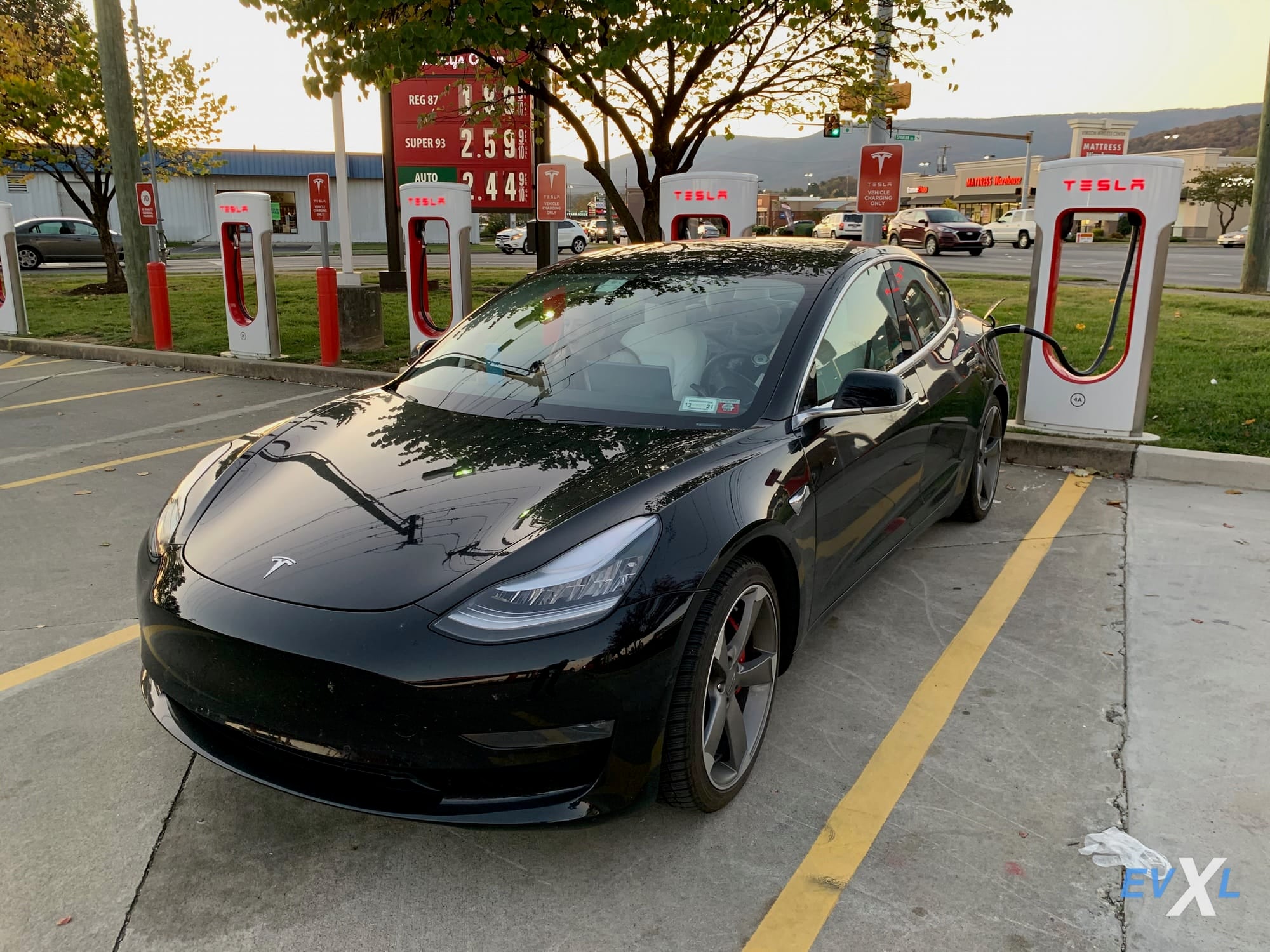
- Tesla’s tariff rate will be reduced from 9% to 7.8%, marking the second reduction for the company.
- Chinese manufacturers SAIC and Geely will see their rates lowered from 36.3% to 35.3% and from 19.3% to 18.8%, respectively.
- These duties will be applied on top of the existing 10% base tariff that the EU imposes on all EV imports.
- The adjustments are based on new information provided by the companies involved.
Background
The European Commission launched an investigation into Chinese EV subsidies in October 2023, citing concerns about unfair competition and potential harm to European manufacturers. In June 2024, the Commission proposed provisional countervailing duties on Chinese EV imports, which have since undergone several revisions.
Implications
- The reduced tariffs may help maintain the competitiveness of Chinese-made EVs in the European market.
- European consumers could still see increased prices for Chinese EVs if the tariffs are approved.
- The decision could impact the EU’s efforts to balance environmental goals with protecting domestic industries.
Next Steps
- EU member states are expected to vote on the proposed tariffs later this month.
- If approved, the duties would be written into law for a five-year period, taking effect from November 2024.
- At least 15 countries representing 65% of the EU’s population would need to vote against the proposals to reject them.
Chinese Response
Chinese government officials have been working to reach a deal with the European Commission before the member states’ vote. China has denied claims of unfair subsidies and has launched its own probes into European food and drink imports in response.
The outcome of this tariff dispute could have significant implications for the global EV market and EU-China trade relations.
EVXL’s Take
This development highlights the growing importance of the EV market and the competitive landscape between China and the EU. As tariffs are adjusted, it’s crucial to consider the broader impact on the global push for electric vehicles. The EU’s decision to ease tariffs on Chinese-made EVs comes at a time when the European automotive industry is facing significant challenges.
As discussed in our recent article on the Volkswagen ID.7 Tourer, European automakers are working hard to innovate and compete in the EV market. The introduction of new models like the ID.7 Tourer demonstrates the industry’s commitment to electrification. However, the competition from Chinese manufacturers remains fierce, as evidenced by the ongoing tariff negotiations.
Furthermore, our analysis of Tesla’s Cybertruck production ramp-up sheds light on the global nature of EV manufacturing and supply chains. As Tesla, a key player in both the US and European markets, continues to expand its production capabilities, the impact of tariffs on its operations becomes increasingly significant. The reduction in Tesla’s tariff rate from 9% to 7.8% could have far-reaching implications for the company’s competitiveness in the European market and its ability to meet growing demand for electric vehicles.
What are your thoughts on this article? Leave your comments below!