
The European Union has made a decisive move by implementing increased customs duties on Chinese-made electric vehicles, marking a watershed moment in the evolving trade relationship between the EU and China, according to AP News. This decision comes after failed negotiations between the two economic powerhouses.
Comprehensive Tariff Structure
The EU has implemented a nuanced tariff system that varies significantly by manufacturer:
- BYD, China’s leading EV maker: 17%
- Geely Group: 18.8%
- State-owned SAIC: 35.3%
- Other manufacturers in China (including European brands VW and BMW): 20.7%
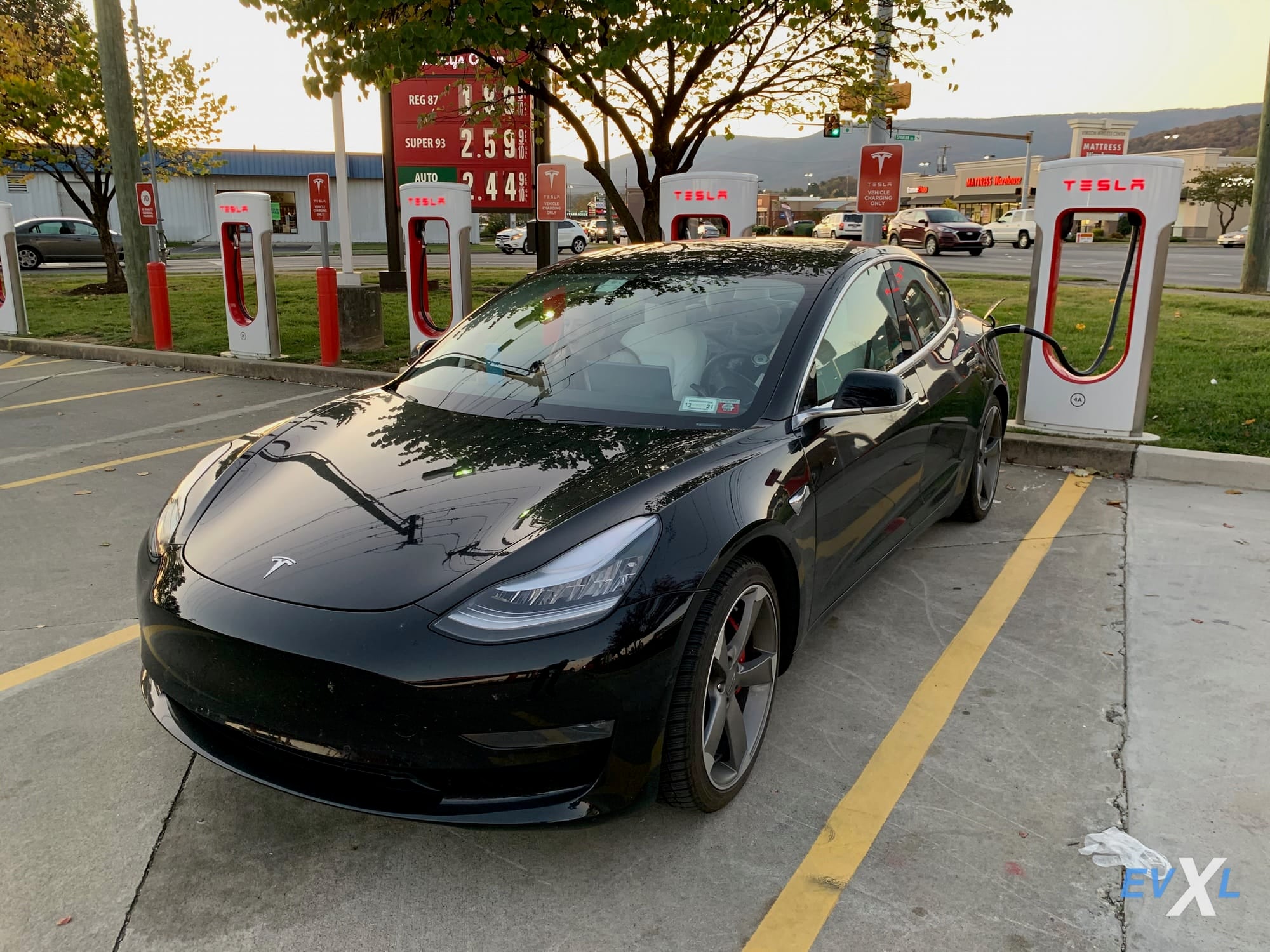
- Tesla’s China operations: 7.8%
These duties will remain in effect for five years unless a diplomatic solution is reached.
Dramatic Market Shift Triggers Action
The EU’s intervention comes in response to a dramatic shift in market dynamics. Chinese EVs have experienced unprecedented growth in the European market, surging from a modest 3.9% share in 2020 to a commanding 25% by September 2023. This rapid expansion triggered concerns about the sustainability of Europe’s automotive sector, which directly employs 2.5 million workers and supports an additional 10.3 million jobs in related industries.

Extensive Investigation Findings
The European Commission’s thorough eight-month investigation uncovered a complex web of government support for Chinese manufacturers, including:
- Heavily subsidized land allocations for manufacturing facilities
- Preferential access to below-market lithium and battery supplies from state-owned enterprises
- Significant tax advantages and breaks
- Favorable financing terms from state-controlled banks
- Additional local government subsidies and support
“By adopting these proportionate and targeted measures after a rigorous investigation, we’re standing up for fair market practices and for the European industrial base,” emphasized European Commission Executive Vice-President Valdis Dombrovskis.
Chinese Response and Strategic Adaptations
Beijing’s reaction has been swift and multi-faceted. The Chinese government has:
- Launched counter-investigations into European brandy exports
- Initiated anti-dumping probes into European pork products
- Threatened potential tariff increases on luxury European vehicles
- Begun investigating European dairy product subsidies
Meanwhile, Chinese automakers are showing remarkable adaptability. BYD is establishing a manufacturing facility in Hungary, while Chery is developing a joint venture in Spain’s Catalonia region, demonstrating their commitment to maintaining their European presence despite the tariffs.
Price Impact Analysis
The tariffs’ effect on consumer prices remains uncertain. Many Chinese manufacturers maintain substantial profit margins in Europe, potentially allowing them to absorb the additional costs. For example:
- BYD’s Seal U Comfort: $45,078 in Europe vs. $23,370 in China
- BYD’s upcoming Seagull compact: Approximately $10,000 in China, with European pricing pending
- Industry analysts suggest that most BYD models could remain profitable even with a 30% tariff
EVXL’s Take
This regulatory action represents a pivotal moment in the global EV landscape. While our recent coverage on BYD’s international expansion highlights their growing influence, these tariffs could fundamentally reshape market dynamics. The situation reflects a delicate balance between maintaining fair competition and ensuring affordable EVs remain available to European consumers. Chinese manufacturers’ significant price differentials between domestic and European markets suggest they have substantial flexibility to adapt to these new tariffs while maintaining market competitiveness.
This development raises important questions about the future of EV manufacturing and global trade relations. What do you think about these tariffs and their potential impact on EV accessibility in Europe? Share your perspectives in the comments section below.