
Did you buy Tesla’s Full Self-Driving? A new lawsuit could change what your EV is really worth on the road—and in court.
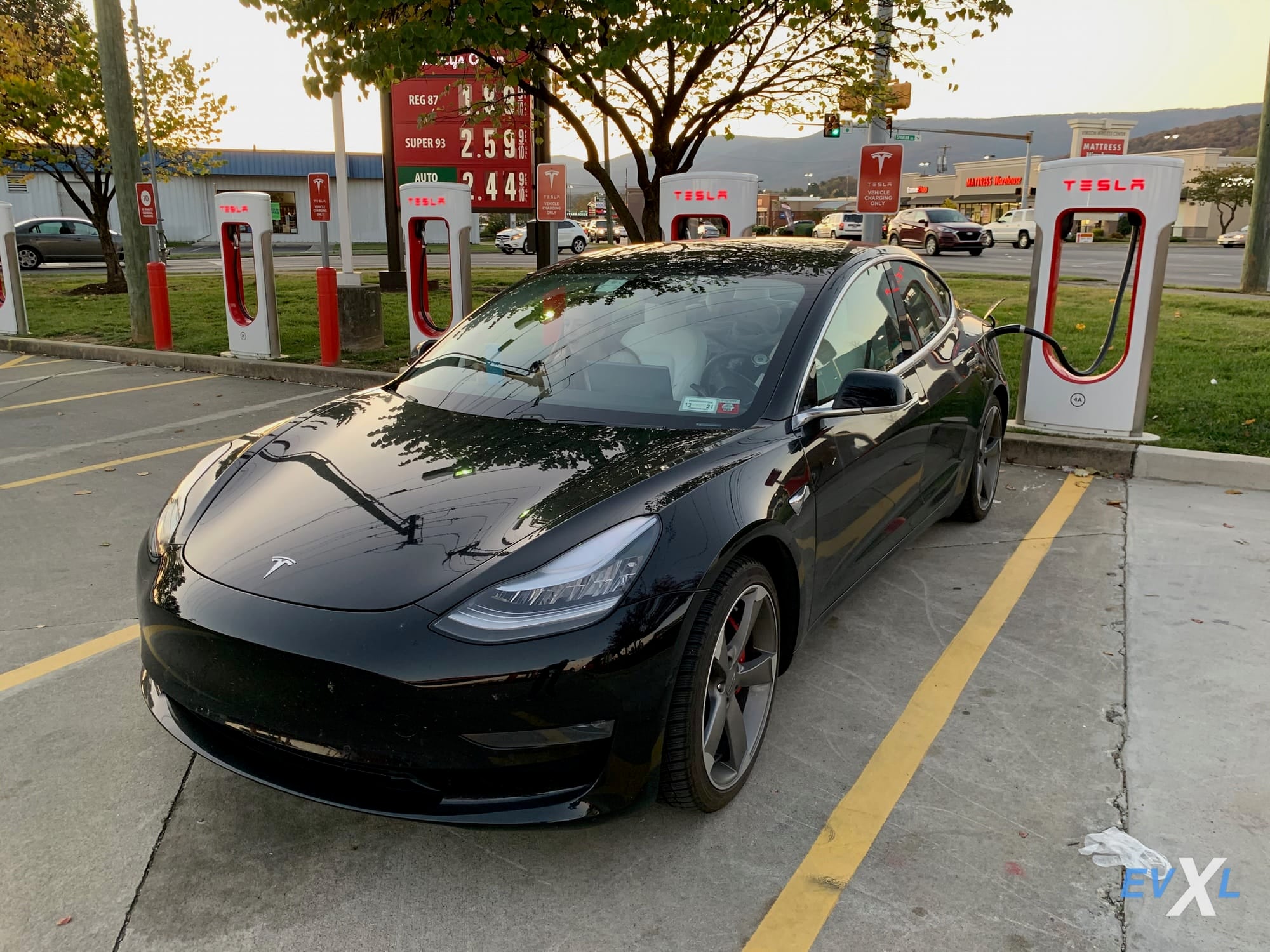
Tesla is now facing a certified class action lawsuit in California regarding its claims about Full Self-Driving (FSD) technology, following a decisive ruling by U.S. District Judge Rita Lin. The court order, reported by Reuters, allows thousands of Tesla EV owners to move forward collectively, alleging that CEO Elon Musk and Tesla misled consumers for eight years about the autonomous capabilities of the company’s electric vehicles.
Court Decision Focuses on Tesla’s Full Self-Driving Hardware Claims
Judge Lin found sufficient grounds for the class action based on whether Tesla’s vehicles, sold between October 2016 and August 2024, had the necessary hardware for high-level autonomy as advertised. She highlighted that Tesla’s statements—including Musk’s public comments, corporate blog posts, newsletters, earnings calls, and the “Autopilot” section of Tesla’s website—collectively reached a broader audience than traditional advertising.
Lin stated, “Tesla’s distinctive advertising strategy warrants a departure from the typical approach,” primarily because Tesla sells directly to consumers without independent dealers or mass advertising campaigns. As such, it’s reasonable to infer that potential FSD buyers gathered information from the company’s centralized communications.
Certified Classes and Consumer Impact
The ruling certifies two California classes:
- Drivers who purchased Tesla’s Full Self-Driving package between May 19, 2017, and July 31, 2024, and opted out of Tesla’s arbitration agreement.
- Drivers who purchased the package between October 20, 2016, and May 19, 2017.
Lin declined, however, to certify a class for those who bought the Enhanced Autopilot package. She concluded that its features did not require full self-driving capabilities, making the alleged misstatements less material to those purchases.
Class action suits often enable affected consumers to seek larger recoveries with fewer resources than individual lawsuits. This case specifically revolves around whether Tesla’s FSD advertisements and public claims—some dating back nearly a decade—amounted to material misrepresentation.
Regulatory and Market Implications for Tesla’s Software
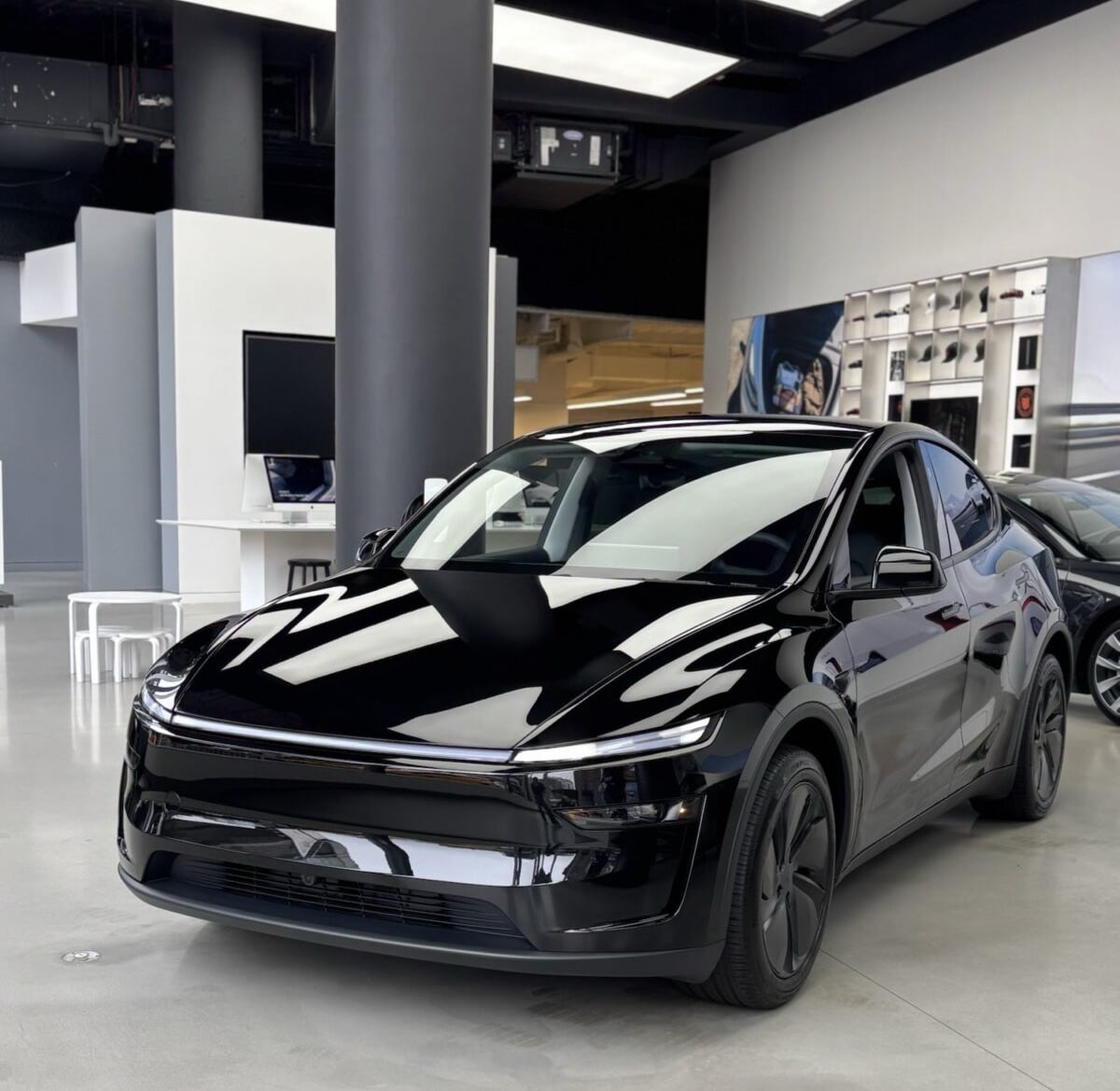
Federal officials have previously scrutinized the safety of Tesla’s FSD software, which underpins not only current driver-assist features but also Tesla’s ambitious robotaxi plans. The technology has long been a cornerstone of Tesla’s market positioning, with Musk asserting that every Tesla vehicle produced since 2016 had the hardware for full autonomy.
The potential ramifications of a class action could extend beyond financial liability, impacting Tesla’s regulatory standing and the EV market’s perception of self-driving capabilities. Lawyers for Tesla have yet to comment on the ruling, while the company continues to defend its communications regarding FSD features.
EVXL’s Take
This ruling is a major juncture not just for Tesla, but for the wider EV industry—especially as advanced driver assistance and autonomous features become key selling points. Recent articles on EVXL’s Tesla coverage have noted growing legal, regulatory, and consumer scrutiny around both FSD technology and its marketing. Will this certified class action create new standards for transparency in EV tech claims? Could it spur regulatory changes around autonomous vehicle advertisements? As the case proceeds, EVXL invites readers to share how they believe such legal developments may impact trust, adoption rates, and the competitive landscape for electric vehicle innovation. Join the conversation in the comments below.