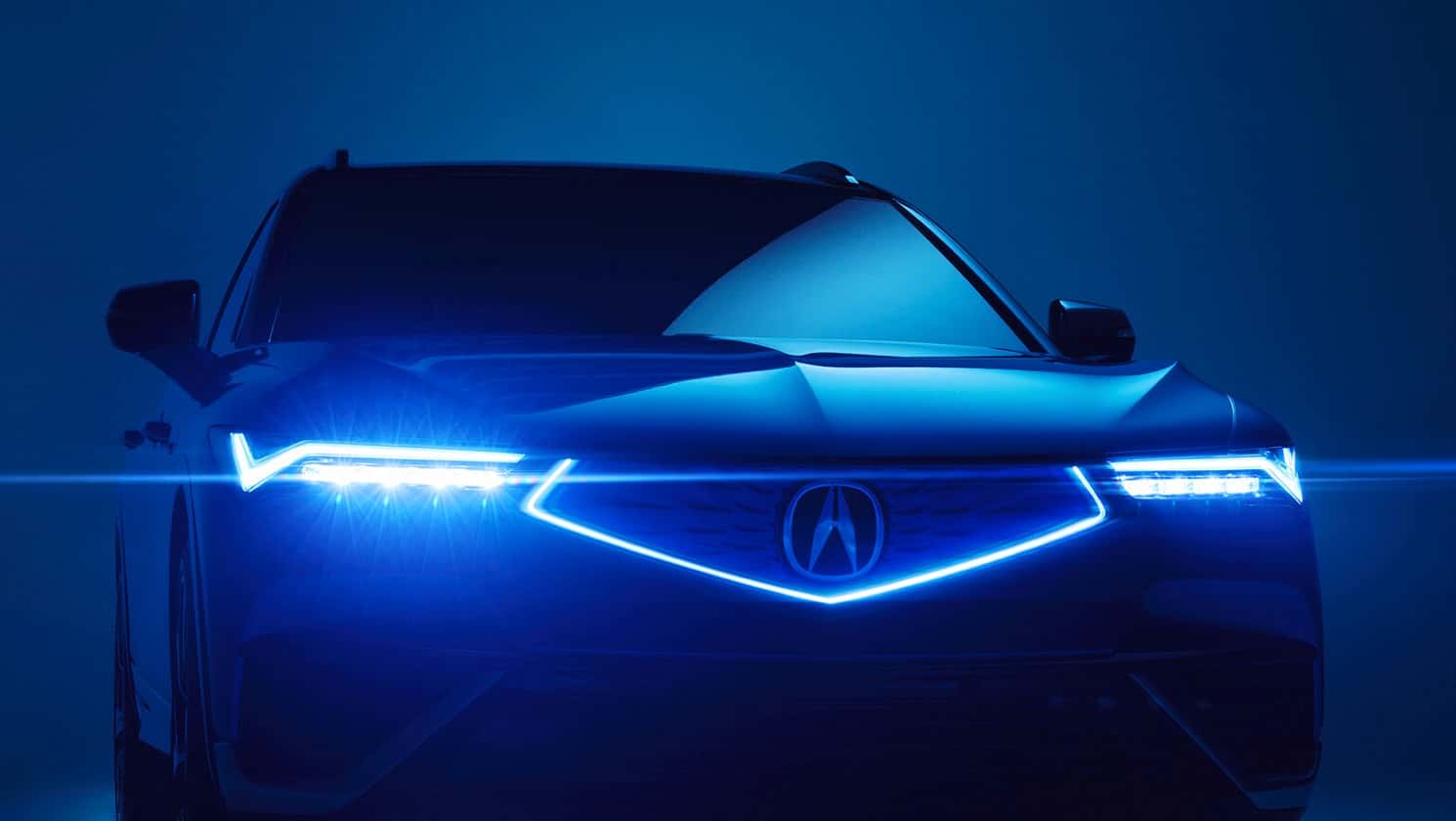

Acura, Genesis, and Nissan are axing electric vehicles that won’t survive into 2026.
Why it matters: The discontinuations signal a broader automaker retreat from aggressive EV commitments as slashed tax incentives, tariffs, and weak demand reshape the American electric vehicle market.
The Details
- Acura ZDX lasted just one model year after Honda cut losses on its first electric SUV, selling fewer than 20,000 units despite a 325-mile range and $64,500 starting price.
- Genesis G80 Electrified sold fewer than 100 units in the U.S. before the last one rolled off lots in July 2025.
- Nissan Ariya never recovered from supply chain delays that pushed deliveries to 2023, struggling against Model Y competition.
- Kia EV4 has been delayed indefinitely for U.S. buyers; Europe gets a hatchback version instead.
- Polestar 6 convertible pushed to 2028 or later, with the Polestar 7 SUV potentially arriving first.
2025 EV Discontinuations
Acura ZDX
- Years Sold: 2024-2025
- Starting Price: $64,500
- Range: 325 mi
- U.S. Sales: <20,000
Genesis G80 Electrified
- Years Sold: 2023-2025
- Starting Price: $79,350
- Range: 282 mi
- U.S. Sales: <100
Nissan Ariya
- Years Sold: 2023-2025
- Starting Price: $39,590
- Range: 216 mi (base)
- U.S. Sales: ~50,000
EVXL’s Take
The EV graveyard keeps growing, and these casualties validate what we’ve been documenting all year: subsidy-dependent strategies are collapsing in real time. U.S. EV sales cratered 24% in October after the $7,500 tax credit expired September 30, and automakers are responding exactly as we predicted: killing products instead of competing.
Cornell automotive expert Art Wheaton put it bluntly: “It’s a brutal market. And the current administration isn’t helping.”
Honda has already slashed its EV targets to just 20% by 2030 while pivoting to hybrids. Meanwhile, Chinese manufacturers like BYD continue gaining global market share with vehicles priced $10,000 below their American competitors.
The question isn’t which EVs will die next. It’s whether legacy automakers can build anything that survives without government life support.
Frequently Asked Questions
Why are automakers discontinuing EVs now?
The September 30, 2025 expiration of the $7,500 federal EV tax credit removed a key pricing advantage. Combined with tariffs and weak demand, automakers are cutting underperforming models.
Will these EVs still be serviced?
Yes. Dealerships will continue parts and service support for discontinued models, though inventory may become limited over time.
What EVs are still coming in 2026?
The Rivian R2 SUV, Sony Honda Afeela 1, Honda 0 Series, and Mercedes-Benz CLA EV are all expected to launch.