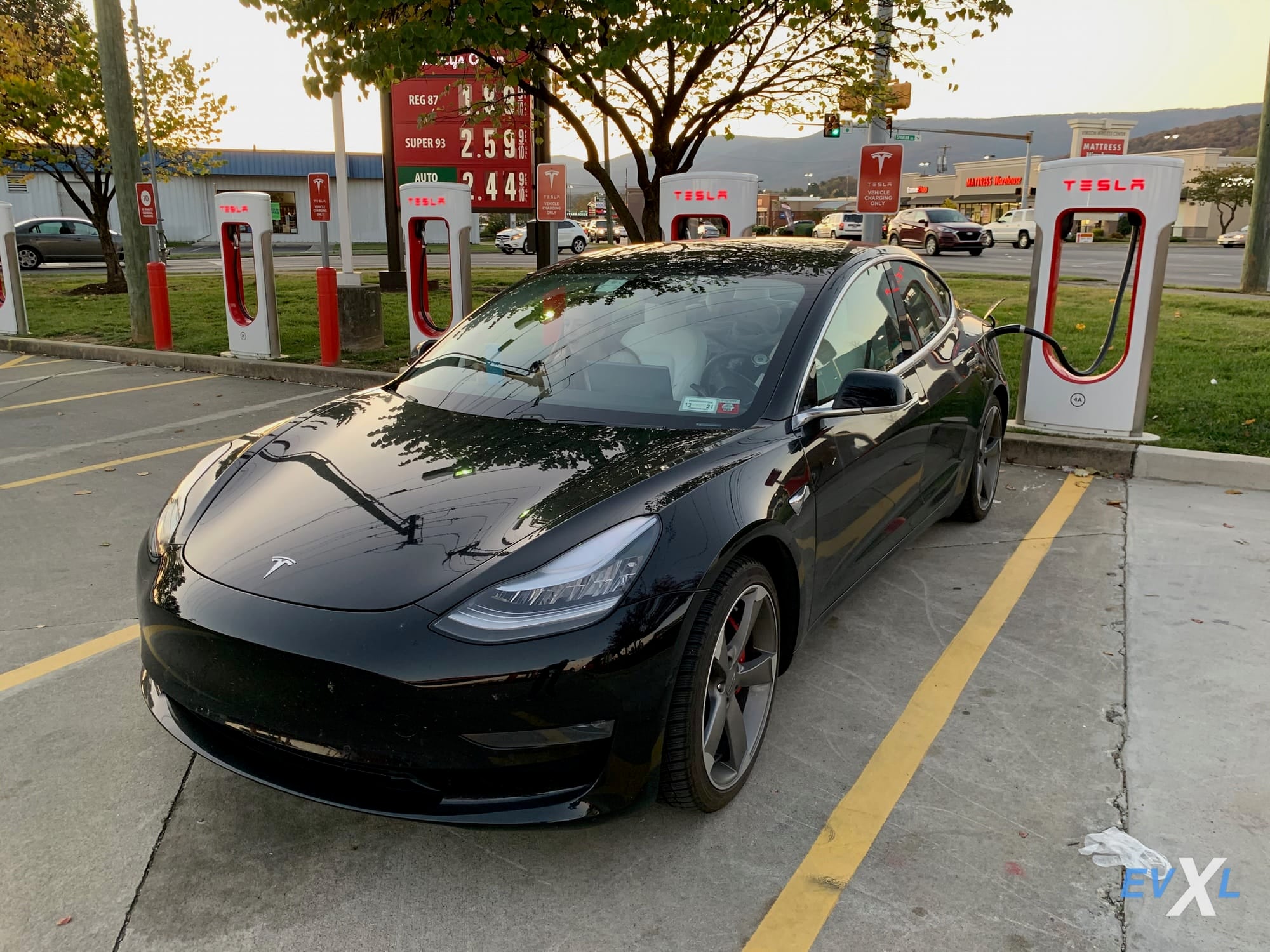
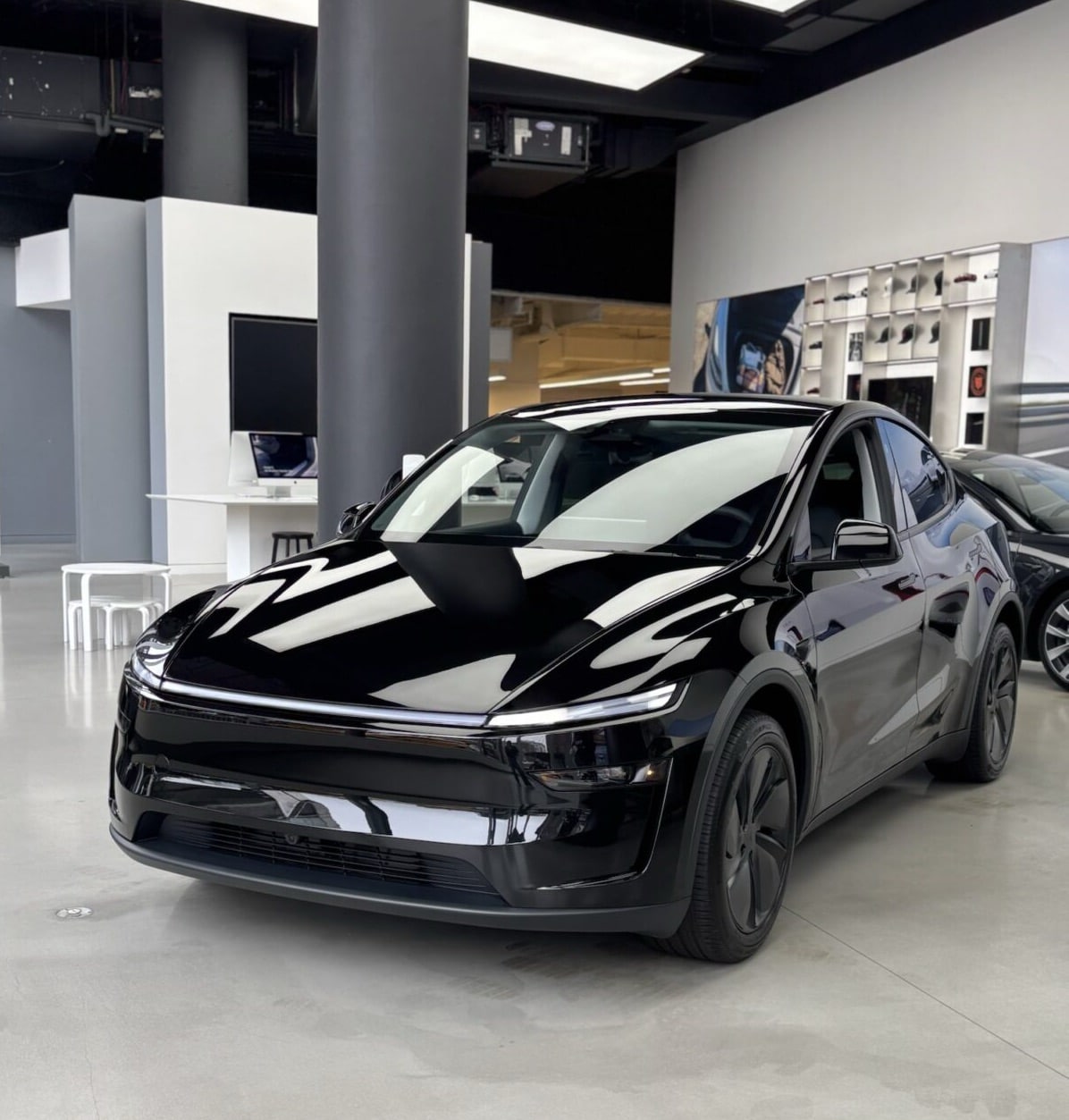
Tesla jumped to ninth place in Consumer Reports’ 2025 reliability rankings, marking the automaker’s first appearance in the top 10.
Why it matters: The same aging vehicle lineup that has been crushing Tesla’s sales is now paying dividends in build quality and dependability.
The Details
- Tesla climbed to 9th out of 26 brands tested, up from 17th last year and 27th out of 28 brands in 2022.
- Consumer Reports credited Tesla’s “standout” electric drive system for the improvement.
- The Cybertruck remains Tesla’s only model with below-average reliability ratings.
- Tesla also cracked the top 10 in Consumer Reports’ broader “automotive report card,” which includes road tests, safety performance, and owner satisfaction.
- Toyota topped the reliability rankings for the first time since 2022, narrowly edging out Subaru.
By The Numbers
- 2025 Reliability Rank: 9th of 26 brands
- 2024 Reliability Rank: 17th of 26 brands
- 2022 Reliability Rank: 27th of 28 brands
- Overall Report Card Rank: 10th of 31 brands (up from 17th)
- Vehicles Surveyed: 380,000 (up 27% from last year)
- Model S Market Presence: 14+ years (since late 2011)
What The Experts Say
“With Tesla, it’s not that they’ve suddenly changed, but the issue is that they’ve been building vehicles in the same plant that are very similar for a while now and they’re able to improve them,” said Jake Fisher, Consumer Reports’ senior director for auto testing. “Having an older lineup almost always helps when it comes to reliability.”
Fisher called the Model S “a dinosaur in the world of redesign,” adding: “To have a vehicle that’s going to soldier on without a full redesign is unheard of in the industry, but it’s helping them.”
EVXL’s Take
The irony is almost too perfect. Tesla’s refusal to update its aging lineup has been a central focus of EVXL’s coverage throughout 2025. We’ve documented how Tesla’s stale product portfolio has crushed sales across Europe and the U.S., with competitors like BYD launching new models at twice the pace. Now that same stubbornness is being rewarded with a reliability trophy.
But reliability rankings don’t move metal off dealer lots. Tesla’s sales have declined 9% in the U.S. this year while the broader EV market grew. Consumers want fresh designs and competitive pricing. Building the same cars for eight years straight may win Consumer Reports awards, but it won’t stop BYD from eating Tesla’s lunch in China and Europe.
Frequently Asked Questions
Which Tesla model has the worst reliability?
The Cybertruck is Tesla’s only model with below-average reliability, according to Consumer Reports.
Who topped the Consumer Reports reliability rankings?
Toyota ranked first for reliability for the first time since 2022, narrowly beating Subaru.
Why did Tesla’s reliability improve so dramatically?
Consumer Reports credits Tesla’s decision to keep building the same vehicles in the same plants, allowing continuous quality improvements without the disruption of new model launches.