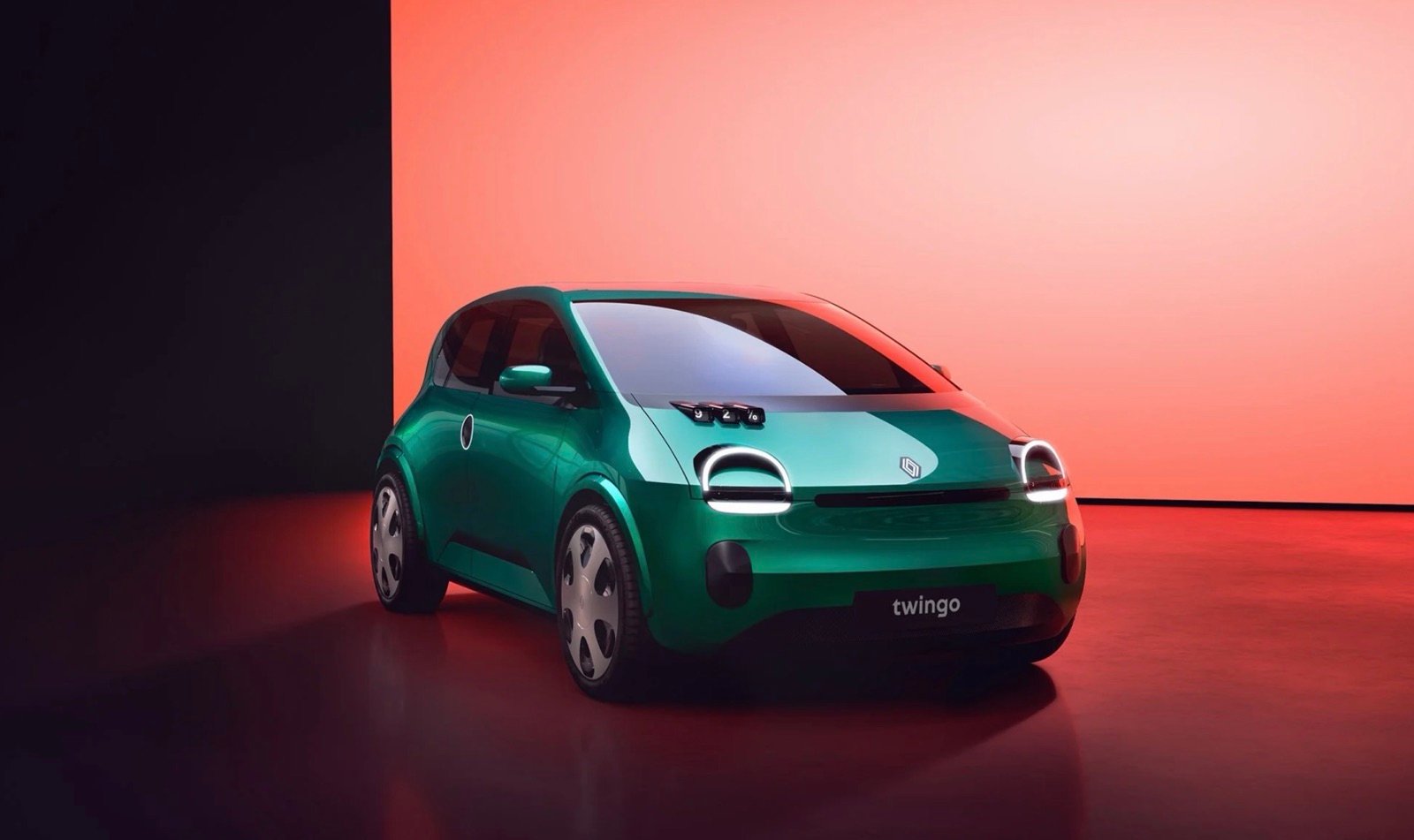

Renault supports France’s call for stricter local content rules on electric vehicles sold in Europe but says the proposed 75% threshold is unrealistic for automakers still sourcing batteries from Asia.
Why it matters: The debate exposes a widening rift between European governments racing to protect jobs and automakers warning that overly aggressive rules could backfire.
The Details
- France last week proposed requiring 75% of an EV’s parts by value be sourced within Europe, matching current rules for combustion vehicles.
- Renault Chief Strategy Officer Josep Maria Recasens told Bloomberg the company instead favors a 60% threshold applied to all passenger vehicles, not just EVs.
- The EU is expected to announce its auto sector relief package on December 10, though the timeline may slip as Brussels works through competing proposals.
- Recasens also called for a European commodity pool to help manufacturers secure rare earth materials amid concerns over China’s stranglehold on EV motor magnets.
- “The Chinese have already written us off,” Recasens said. “They believe we won’t be able to transform ourselves. So this motivates me to prove that the old world can transform itself.”
By The Numbers
- France’s proposed threshold: 75% local content for EVs
- Renault’s counter-proposal: 60% across all vehicle types
- Current EV battery sourcing: Mostly outside Europe
- BMW China tariff burden: 30.7% (20.7% anti-subsidy + 10% base duty)
- Chinese PHEV tariff: 0% additional duty (loophole)
EVXL’s Take
Renault is threading a needle here. The French automaker wants protection from Chinese competition but recognizes that Europe’s battery supply chain simply cannot support a 75% local content mandate today. As we reported when European automakers pushed for a 2035 combustion ban reprieve, the industry is lobbying for regulatory relief while Chinese competitors like BYD double their European dealer networks and build tariff-proof factories in Hungary and Turkey.
The uncomfortable truth remains: Chinese automakers develop new vehicles in 18 months versus five years for European rivals. No local content rule fixes that speed gap. Meanwhile, as we covered with the EU’s RESourceEU rare earth plan, Europe remains dangerously dependent on Chinese materials. Recasens’ call for a commodity pool acknowledges what Brussels has been slow to admit: protection without supply chain independence is just expensive theater.
Frequently Asked Questions
- What is local content? The percentage of a vehicle’s parts by value that must be manufactured within a specific region to qualify for trade benefits or avoid penalties.
- Why does Renault oppose the 75% target? EV batteries remain the most expensive component and are still largely produced outside Europe, making 75% nearly impossible to achieve today.
- When will the EU decide? Brussels is expected to announce its auto relief package on December 10, 2025, though delays are possible.