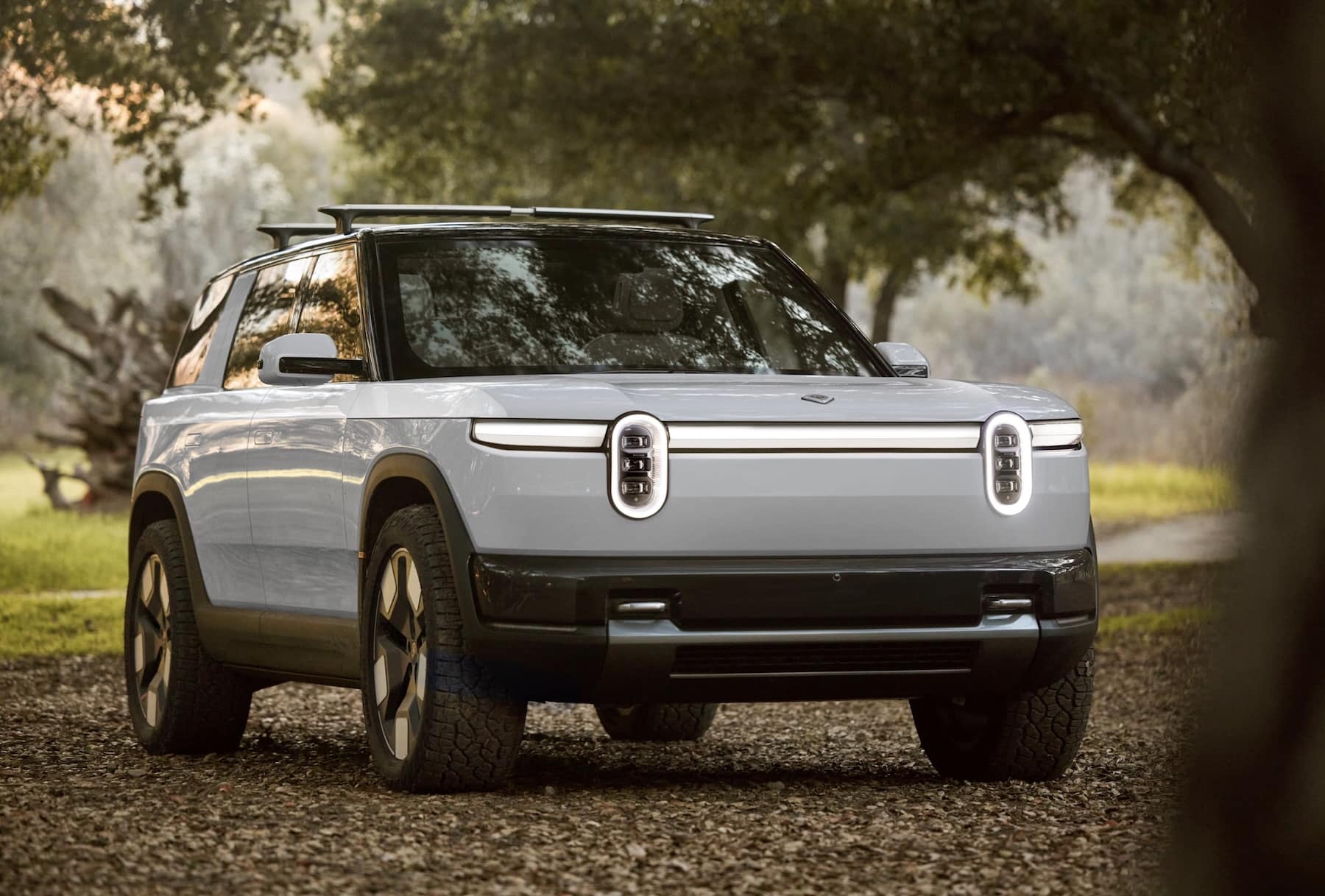
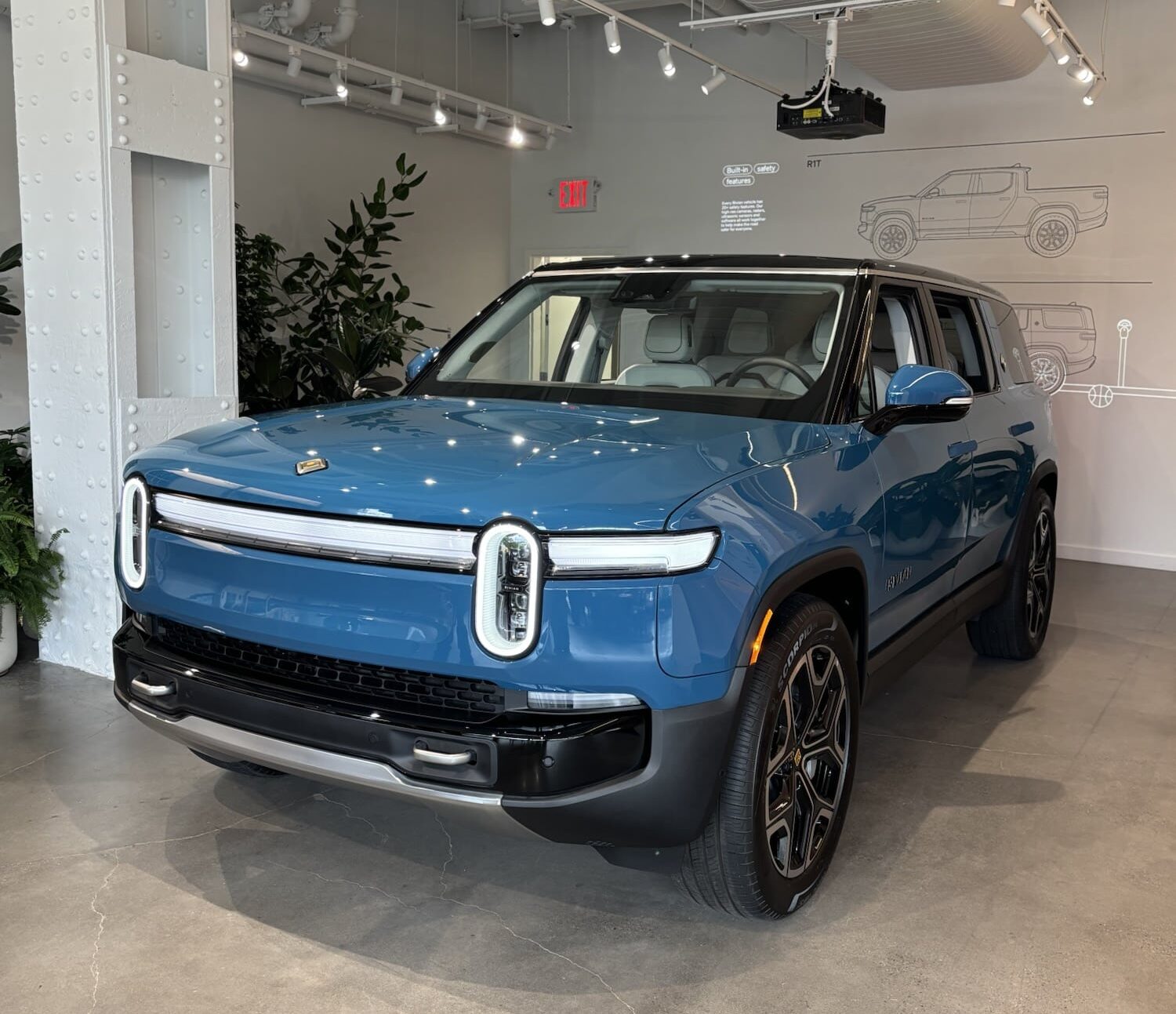
Rivian delivered 12,194 vehicles in the second quarter of 2026, up about 14% from the 10,661 it delivered a year ago and comfortably ahead of the 10,518 analysts expected, according to estimates compiled by Visible Alpha. And Rivian paired the beat with a bigger statement: it raised its full-year 2026 delivery forecast from 62,000-67,000 to 65,000-70,000 vehicles. Rivian credits robust demand for its delivery vans and R1 models, coupled with the start of $57,990 R2 deliveries, for the growth.
I’ve tracked the R2 story on EVXL from its price announcement through its 335-mile EPA rating to the tornado that hit its factory weeks before launch. Q2 is the first quarter where the R2 shows up in the delivery ledger, and the early verdict is that Rivian’s affordability bet is paying off.
The Numbers Break Rivian’s Downtrend
Rivian’s 12,194 Q2 deliveries snap a painful streak. The company closed 2025 with Q4 deliveries down 31%, and Wall Street spent the winter openly split on whether Rivian would make it to the R2 era intact. Production came in at 12,613 vehicles, slightly ahead of deliveries, as the R2 line at the Normal, Illinois plant ramped through the quarter following the first customer deliveries on June 9.
The raised 65,000-70,000 guidance sits above the roughly 63,138 deliveries analysts were projecting for the full year, per Visible Alpha estimates cited by Reuters. For scale: Rivian delivered 51,579 vehicles in 2024, then fell to 42,247 in 2025. Hitting even the bottom of the new range would make 2026 Rivian’s best delivery year ever.
Vans, R1, And The R2’s First Weeks Carry The Quarter
Rivian credits the quarter to robust growth in EDV and R1 deliveries coupled with the introduction of the R2, and Reuters reports the same mix. The vans, the commercial line that began with the Amazon exclusivity and opened to other fleet buyers in late 2023, and the premium R1 did the volume work; the R2 only reached customers on June 9, so its first-quarter contribution was measured in weeks, not months. Rivian doesn’t break out per-model numbers, so the exact mix is the company’s to know. What the raised guidance says is that Rivian expects the R2 share to grow fast.
The R2’s launch has not been friction-free. As EVXL reported in June, R2 lease prices topped $800 a month after the federal EV tax credit expired, and some buyers walked. A 14% delivery jump in the same quarter says the demand pool is deep enough to absorb that, at least for now. Whether R2 volume holds once the early-reservation backlog clears, with a $53,990 premium variant still expected later this year per Reuters, is the question to watch through Q3.
EVXL’s Take
Rivian just had the least dramatic quarter in its public history, and that’s the compliment. No production hell headlines, no guidance cut, no existential analyst notes. Just more vehicles delivered than expected, driven by the product the company bet its future on. After covering the tornado hit on the R2 factory in April, I half expected this launch to wobble. It didn’t.
Keep the champagne corked, though. Tesla moved 480,126 vehicles this same quarter; Rivian moved 12,194. The R2 launch is working, but “working” at Rivian’s scale means compounding for four straight quarters while the lease math stays ugly without the federal credit. Rivian just made that test public by raising its own bar to 65,000-70,000: miss your own raised guidance and the market forgives nothing. Rivian reports Q2 earnings July 30, and the margin on every one of those 12,194 vehicles will tell us more than the delivery count did.
EVXL uses automated tools to support research and source retrieval. All reporting and editorial perspectives are by Haye Kesteloo.