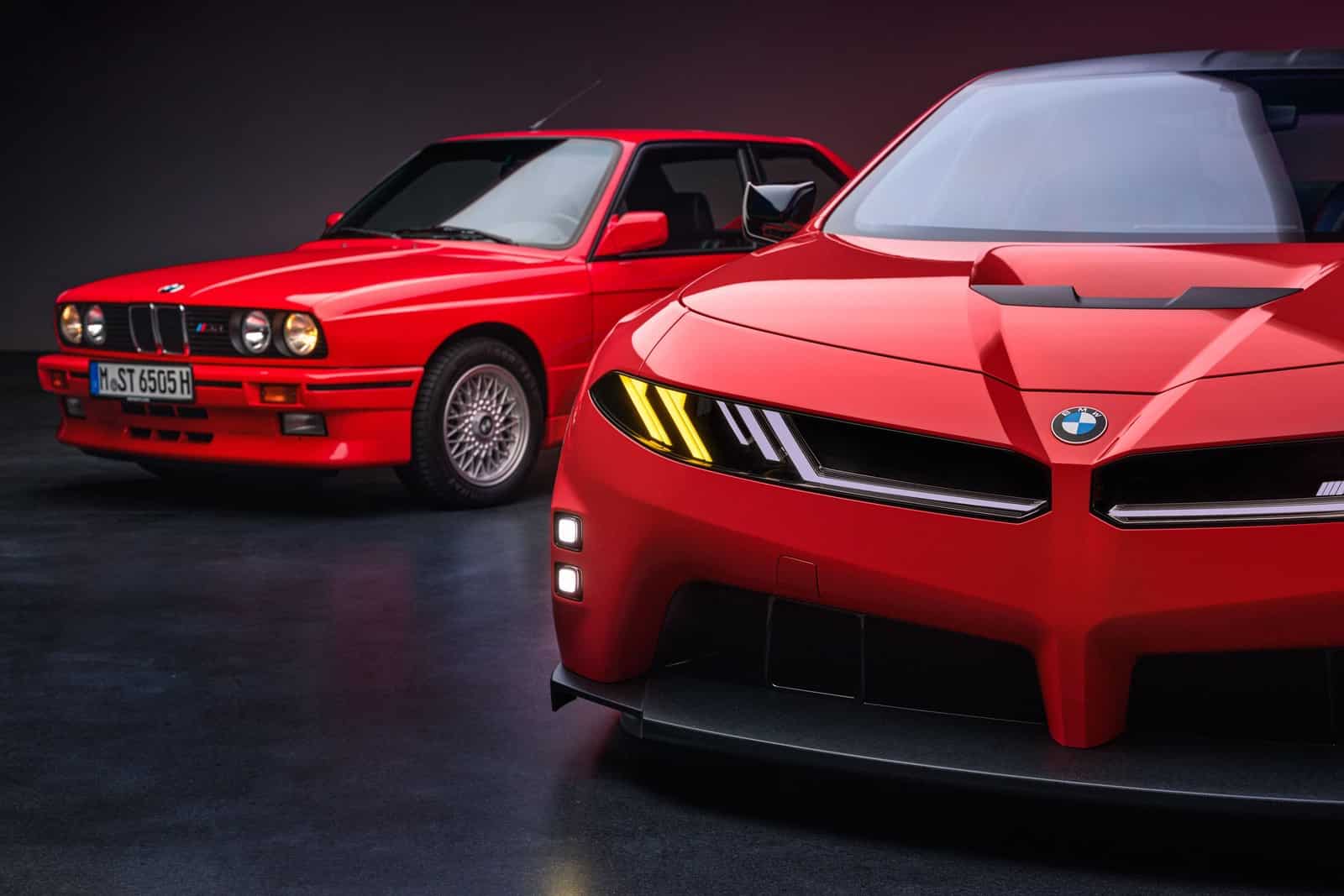

BMW Group is making waves in the electric vehicle market, with their latest quarterly report revealing a stark contrast between EV sales and overall performance. According to their Q3 2024 figures, the German automaker’s electric vehicle deliveries are climbing steadily, even as total sales face significant headwinds.
EV Sales Climb as Overall Numbers Take a Hit
The numbers tell a compelling story of BMW’s evolving market position:
- Battery electric vehicle (BEV) sales jumped 10.1% year-over-year, reaching 103,440 units
- This marks BMW’s third-best quarter ever for EV deliveries
- In stark contrast, total BMW Group sales fell 13% to 540,882 vehicles
- The BMW brand itself saw an 11.4% drop in overall sales
- MINI, BMW’s compact car division, experienced a steep 25.2% decline
These figures paint a picture of a company in transition, with electric models increasingly carrying the torch.
Electric Models Leading the Charge
BMW’s electric lineup is showing strong momentum across the board:
- The iX1 and i4 models were highlighted as standout performers, though specific sales figures weren’t provided
- MINI’s electric offerings are gaining traction, with sales surging 54.3% to 16,536 units
- Year-to-date, BMW-branded EVs have seen a 22.6% increase, with 266,151 units sold
Jochen Goller, BMW’s head of sales, expressed confidence in their electric strategy: “Our fully-electric vehicles are winning over customers worldwide – as shown by the significant double-digit growth in our BEV sales during the first nine months of the year.”
Challenges in the Traditional Market
While EVs are shining, BMW’s facing some significant hurdles in their combustion engine business:
- Delivery stops related to issues with the Integrated Braking System (IBS) impacted Q3 sales
- The Chinese market, a crucial territory for luxury automakers, is proving particularly challenging
- Plug-in hybrid (PHEV) sales declined sharply, down 20.4% compared to last year
The Road Ahead
BMW’s not resting on its laurels. The company is pushing forward with new electric offerings:
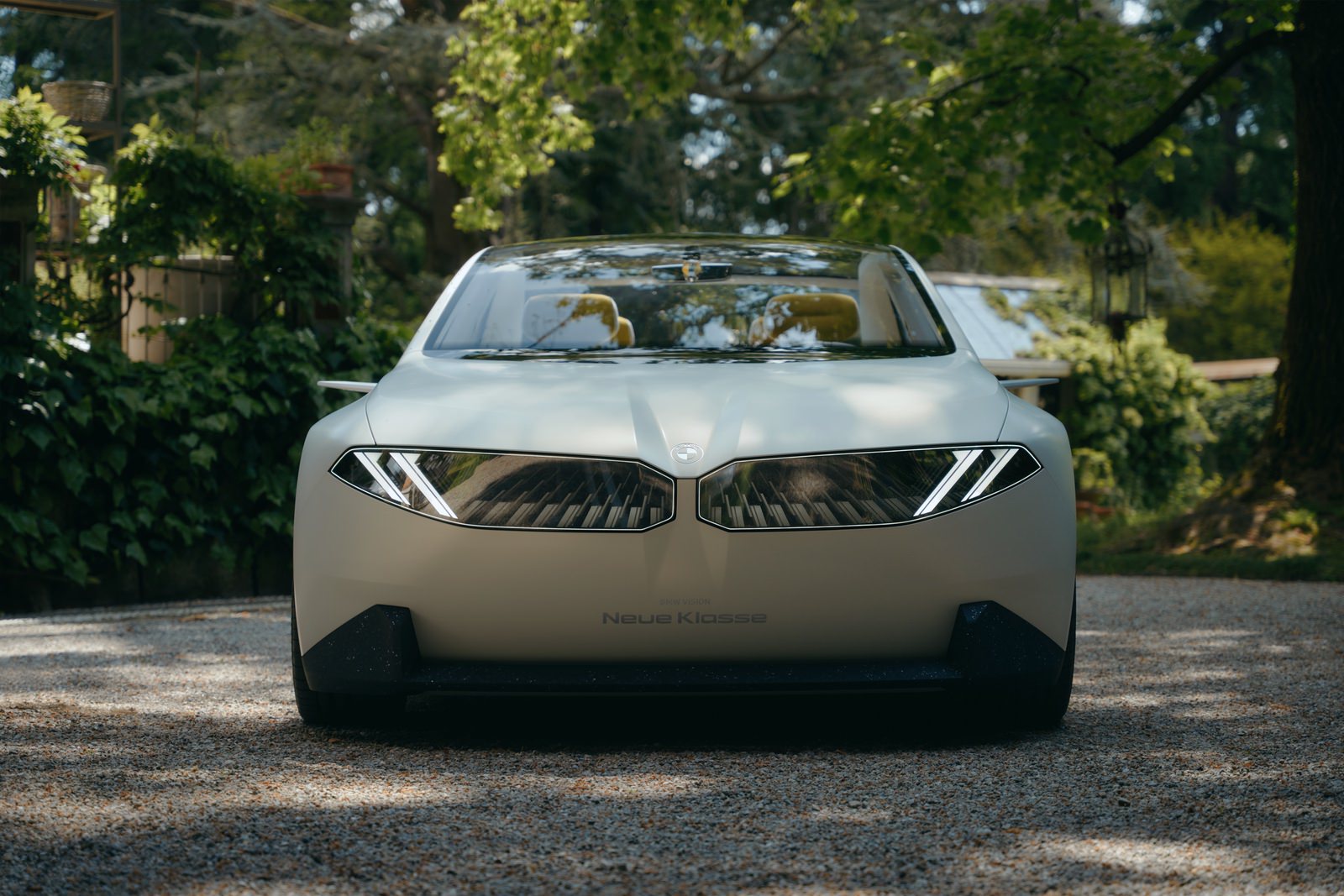
- The all-new electric MINI Cooper made its debut at IAA 2023
- An electric version of the MINI Countryman is set to expand the lineup
- BMW’s strategy of “technology openness” seems to be resonating in Europe, where the brand gained market share
EVXL’s Take
BMW’s Q3 performance offers a fascinating contrast to recent news from Mercedes-Benz. While Mercedes reported a staggering 42% drop in EV sales for the same quarter, BMW has managed to grow its electric segment by 10.1%. This divergence between two German luxury giants is telling.
BMW appears to be cracking the code with models like the i4 and iX1, finding a sweet spot in the premium EV market. Meanwhile, Mercedes is struggling to gain traction with their EQ lineup. It’s a clear illustration of how challenging the EV transition can be, even for well-established luxury brands.
The success BMW is seeing demonstrates that there’s definitely a growing appetite for high-end electric vehicles. However, it also underscores that execution and product strategy are crucial. We’ve seen BMW’s commitment to constant improvement with models like the i5, which recently received spec updates ahead of its launch. This willingness to refine and adapt seems to be paying off.
It’s worth noting that while BMW’s EV sales are impressive, they still represent a relatively small portion of the company’s overall sales. The challenge moving forward will be to continue this electric momentum while navigating the decline in traditional combustion engine sales.
The contrasting fortunes of BMW and Mercedes in the EV space raise some interesting questions. Is BMW’s strategy of offering both electric and combustion options proving more effective than Mercedes’ ambitious all-electric push? How will these strategies evolve as the market continues to shift?
What’s your take on BMW’s EV performance compared to Mercedes? Do you think BMW is pulling ahead in the luxury EV race, or is it too early to call? We’d love to hear your thoughts in the comments below!