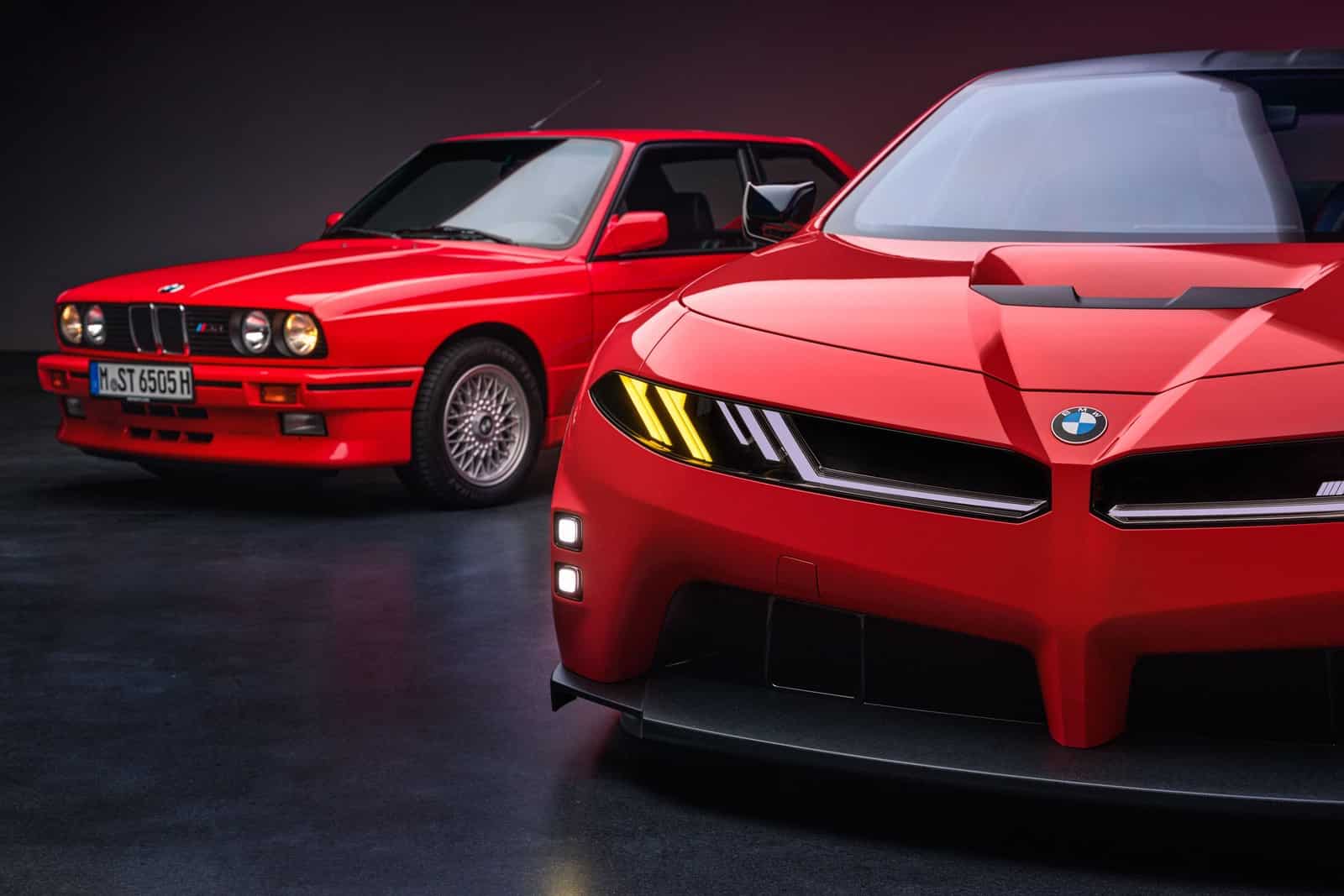
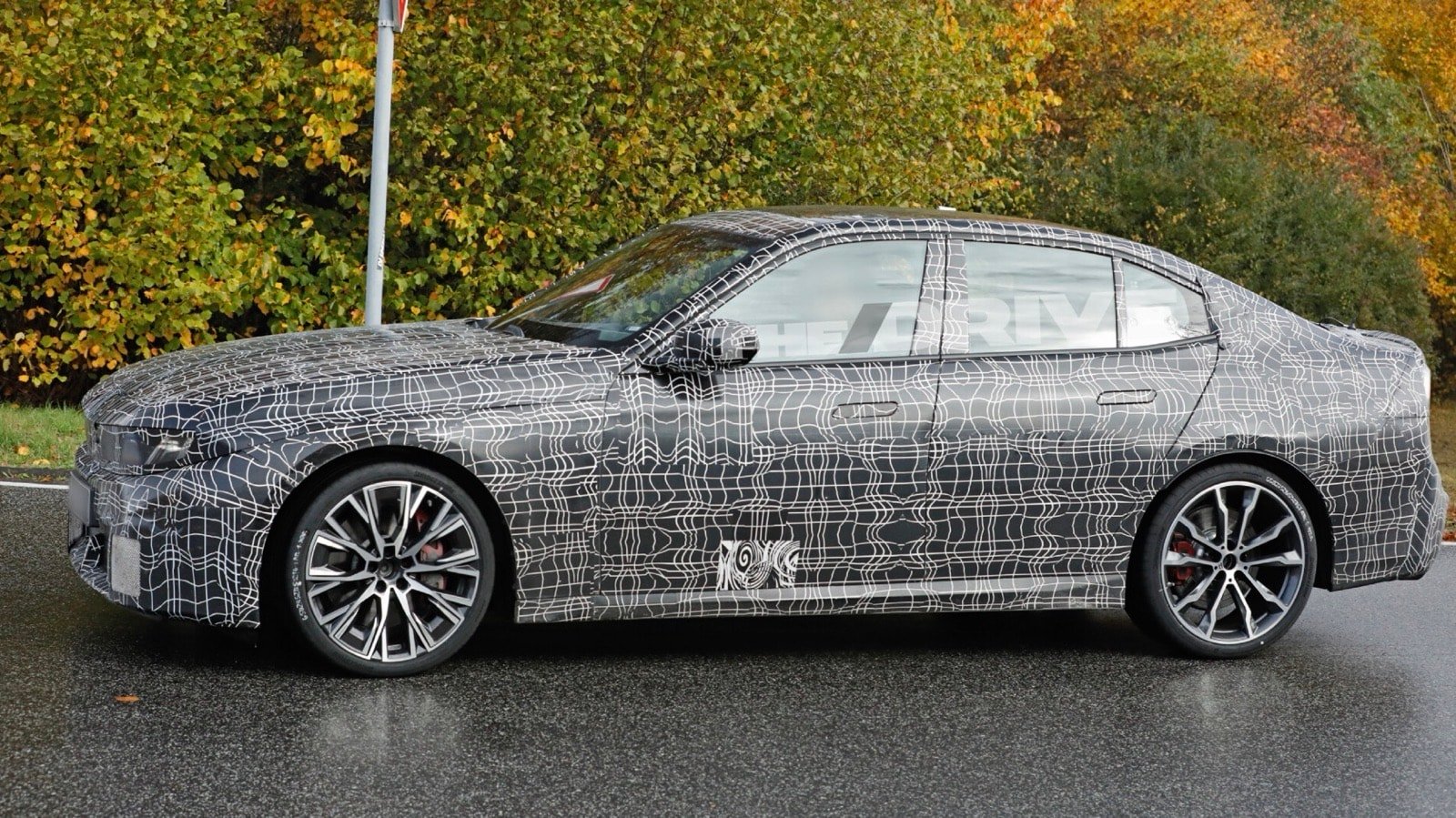
New spy shots from Germany show the next-generation BMW 3 Series and its electric i3 twin testing side-by-side, revealing subtle but distinct differences between the ICE and EV versions.
Why it matters: BMW is taking a unified design approach across different platforms, making it harder than ever to spot an EV in the wild.
The Details
- The Drive reports spy photographers captured both vehicles testing near the Nurburgring in Germany.
- BMW is using two different platforms: the Neue Klasse architecture for the electric i3 and an updated CLAR platform for the gas-powered 3 Series.
- Despite different underpinnings, both cars share a nearly identical front-end design and overall silhouette.
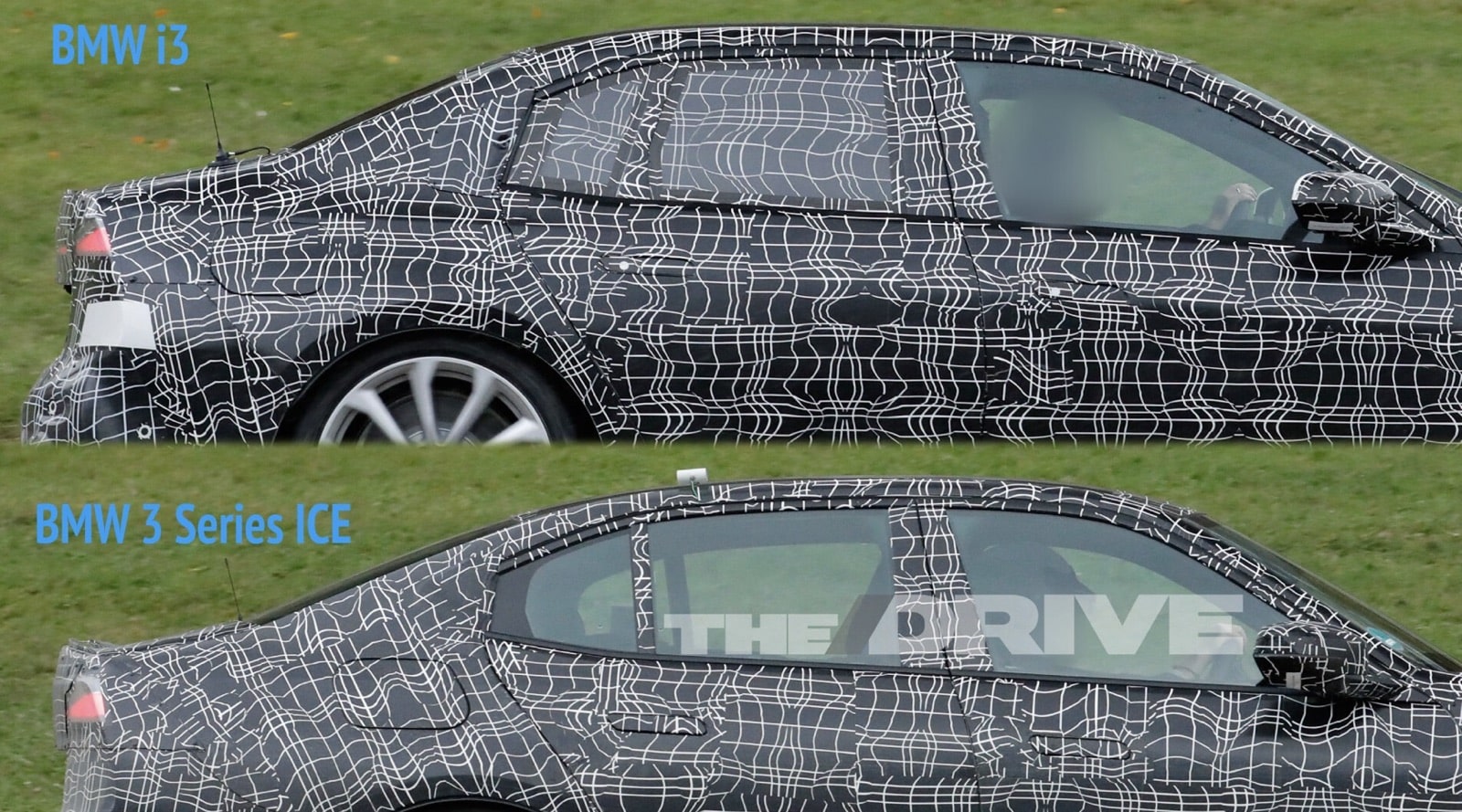
- The i3 EV features a taller rear roofline that remains more upright before tapering at a sharper angle than the ICE version.
- The charging port location on the i3 is positioned rearward, separate from where the gas cap sits on the 3 Series, likely to accommodate a future PHEV variant.
Key Differences
- Roofline: i3 EV is slightly taller with a more upright rear greenhouse
- Rear doors: Different window configurations due to modified roofline
- Rear window: i3 features a kinked rear window divider
- Charging port: Positioned rearward on i3, separate from ICE gas cap location
- Platform: i3 on 800-volt Neue Klasse; 3 Series on updated CLAR
Expected i3 Specs
- Architecture: 800-volt Neue Klasse platform
- Battery: Gen6 cells with 20% higher energy density
- Charging: 300-400 kW DC fast charging capability
- Range: Up to 500 miles (805 km) WLTP estimated
- Production: July 2026 (Munich), US models November 2026
- Price: Expected around $50,000 starting
EVXL’s Take
BMW’s strategy of making its EVs visually indistinguishable from ICE models reflects CEO Oliver Zipse’s technology-open approach that has served the automaker well as competitors backtrack on aggressive electrification targets. By downplaying visual differences, BMW lets buyers choose based on powertrain preference rather than making a style statement.
The real question is whether BMW can justify premium pricing once the i3 launches. With the federal EV tax credit expired and Tesla’s Model 3 starting around $37,000, that estimated $50,000 price tag creates a significant gap. The Neue Klasse platform’s 800-volt architecture and superior charging speeds are impressive, but BMW’s Q2 2025 EV sales dropped 21.2% in North America. Technology alone may not bridge the price gap with Chinese and American competitors.
Frequently Asked Questions
When will the 2027 BMW i3 launch?
Production begins July 2026 in Munich, with US models starting November 2026 for a 2027 model year launch.
What platform is the BMW i3 built on?
The i3 uses BMW’s new 800-volt Neue Klasse architecture, while the gas 3 Series uses an updated CLAR platform.
How can you tell the i3 apart from the 3 Series?
Look for the taller rear roofline, kinked rear window divider, and rearward charging port location on the electric i3.