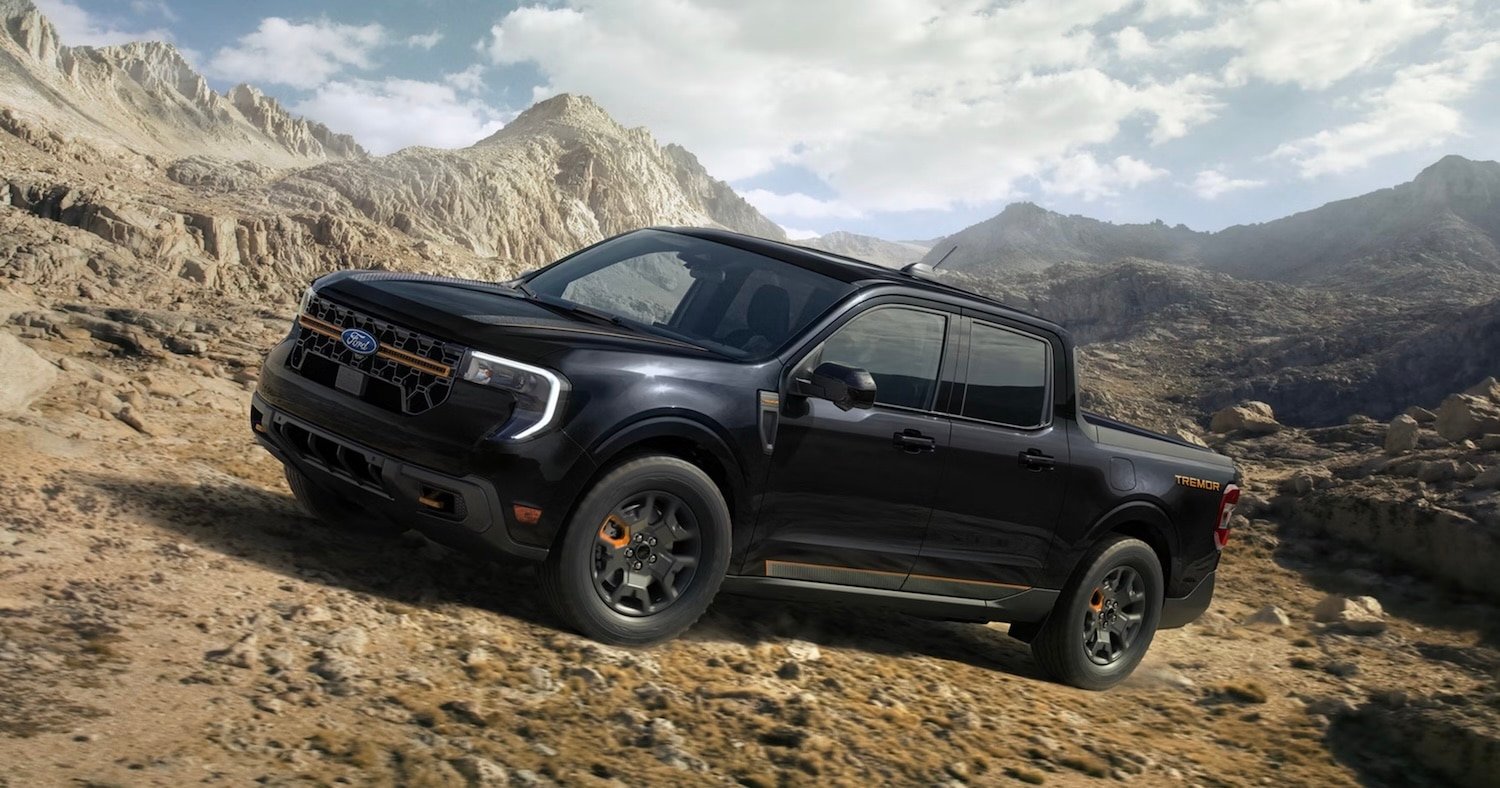
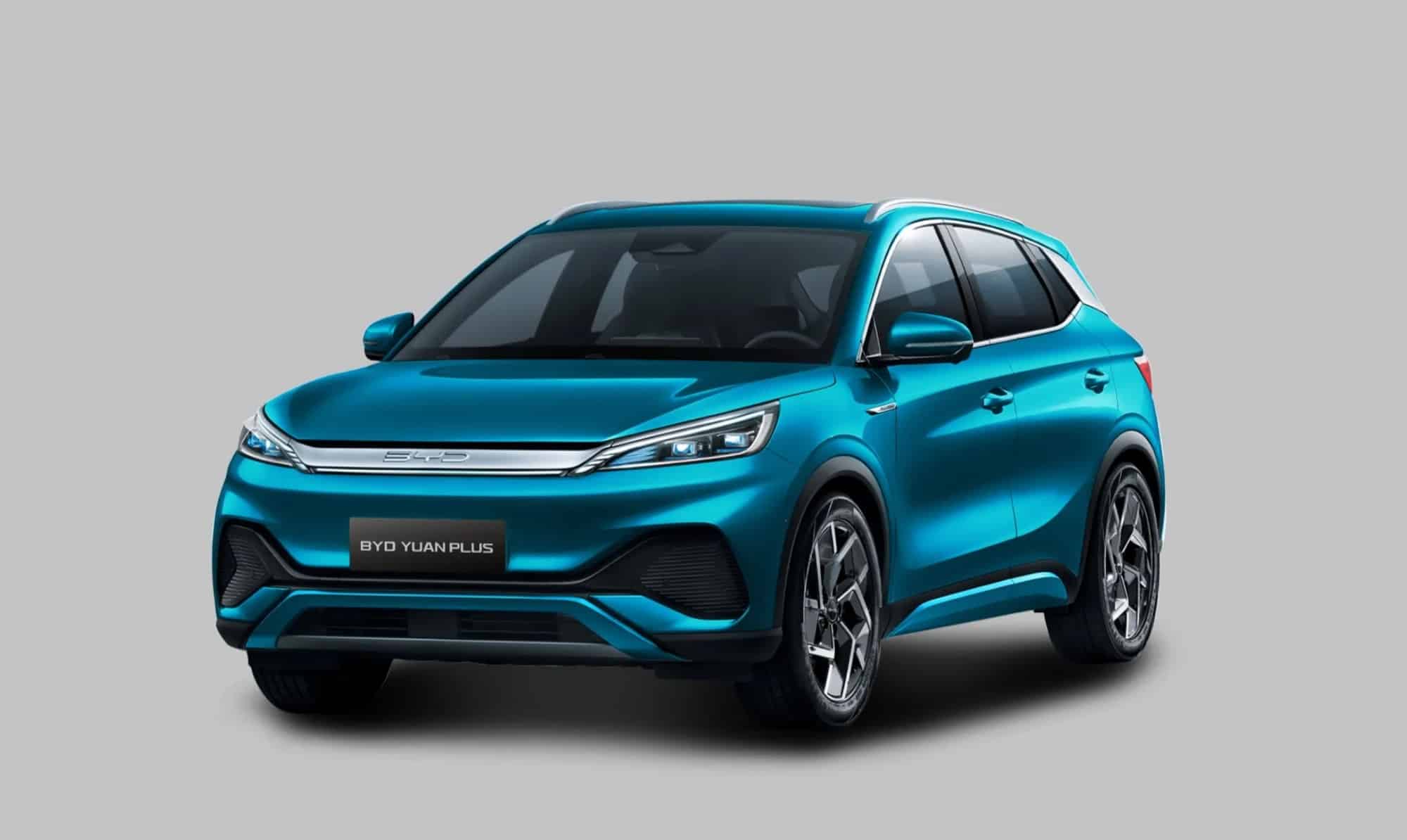
Ford, GM, and Stellantis collectively control less than 5% of the global electric vehicle market while Chinese automakers BYD, Geely, and Chery dominate, according to new BloombergNEF data reported by The Wall Street Journal.
Why it matters: The gap exposes how far behind American automakers have fallen in the EV race they once claimed to lead.
The Details
- The top three EV sellers globally (BYD, Geely, and Tesla) together control nearly 40% of the market, while all three Detroit automakers combined hold less than 5%.
- Ford’s EV division has lost approximately $13 billion since 2021 and expects to record $19.5 billion in charges in Q4 2025, mostly tied to its struggling electric vehicle business.
- BloombergNEF estimates 24% fewer EVs will be sold in the U.S. in Q4 2025 compared to the prior year, following the September 30 expiration of the $7,500 federal tax credit.
- Chinese EV-focused brands launch a new model every 1.8 years compared to 5.2 years for non-Chinese brands like Tesla, according to AlixPartners.
- Ford is developing a cheaper electric pickup targeting $30,000 with a 2027 launch date, using 20% fewer parts to compete with Chinese rivals.
Global EV Market Share (Q1-Q3 2025)
- BYD: Approximately 22%
- Geely: Approximately 10%
- Tesla: Approximately 9%
- Volkswagen: Approximately 7%
- Chery Automobile: Approximately 5%
- Stellantis: Less than 3%
- General Motors: Less than 2%
- Ford Motor: Less than 2%
EVXL’s Take
The Wall Street Journal’s analysis confirms what EVXL has documented for over a year: Detroit bet on expensive electric trucks and SUVs that required $7,500 in taxpayer subsidies to find buyers. When the tax credit expired in September 2025, that strategy collapsed overnight. Ford’s F-150 Lightning now faces potential cancellation while GM laid off 3,400 workers at its battery plants.
The pivot back to profitable gas vehicles may boost short-term earnings, but it hands the EV future to Chinese competitors who built genuinely affordable cars without subsidy dependence. As we reported last week, Morgan Stanley now projects an “EV winter” lasting into 2026. Detroit’s less-than-5% market share isn’t a temporary setback. It’s the scoreboard after a decade of missed opportunities.
Frequently Asked Questions
Why are Detroit automakers pivoting back to gas vehicles?
Eased emissions regulations and the expiration of EV tax credits have made gasoline trucks and SUVs more profitable. TD Cowen estimates Ford, GM, and Stellantis could collectively gain $8 billion in profits from relaxed fuel economy standards.
Can American automakers catch up to Chinese EV rivals?
BloombergNEF’s Colin McKerracher says lack of manufacturing scale is why American automakers lose money on EVs. Chinese manufacturers achieve genuine cost advantages through integrated supply chains that took years to build.
What happens to U.S. EV sales without tax credits?
BloombergNEF projects 24% fewer EVs sold in Q4 2025 compared to a year earlier. EV market share dropped from 12.9% in September to just 6% in November 2025.